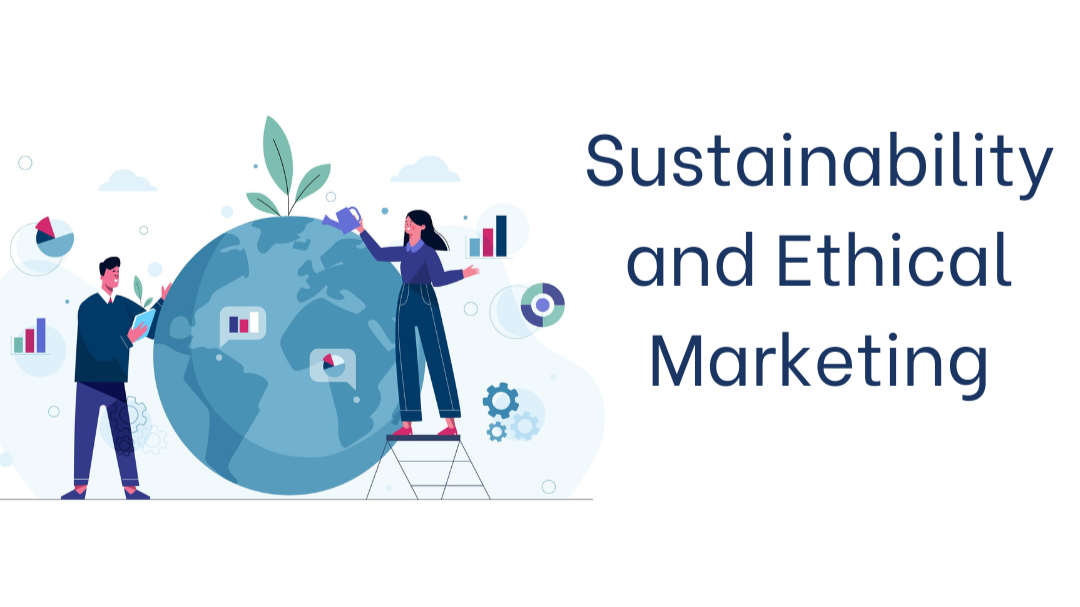
Ethical Marketing in the Digital Age: Building Consumer Trust
Explore how ethical marketing in the digital age helps build lasting consumer trust. Learn strategies, real-world examples, and the importance of transparency, privacy, and authenticity.
Introduction
The digital transformation has revolutionized marketing, enabling unprecedented reach, personalization, and data-driven strategies. However, as companies increasingly leverage digital tools, questions of ethics, privacy, and transparency have grown more prominent. Ethical marketing—once a moral choice—is now a strategic imperative. In this article, we explore how ethical marketing practices help brands build and maintain consumer trust in the digital age.
What Is Ethical Marketing?
Ethical marketing refers to the application of marketing principles and strategies that are morally sound and socially responsible. It involves honesty, fairness, and empathy in every aspect of a campaign—from messaging and content to data collection and customer interactions.
Key tenets of ethical marketing include:
- Truthfulness in advertising
- Transparency in data usage
- Respect for user privacy
- Inclusivity and cultural sensitivity
- Fair pricing and honest claims
In an age of increasing skepticism, ethical marketing is no longer optional; it’s critical to long-term success.
Why Consumer Trust Matters More Than Ever
Trust is the cornerstone of all customer relationships. A brand may offer high-quality products, but if it fails to earn and maintain trust, customer loyalty will erode.
According to the Edelman Trust Barometer, 81% of consumers say that they must be able to trust a brand to do what is right before making a purchase. As digital consumers become more informed and connected, unethical behavior—whether in product marketing, influencer partnerships, or data collection—can spread rapidly, leading to reputational damage and lost revenue.
Challenges to Ethical Marketing in the Digital Space
While the digital era offers immense opportunities, it also presents unique ethical challenges:
1. Data Privacy and Consent
Marketers now have access to a wealth of personal data, often collected through cookies, browsing habits, and third-party sources. Misusing or mishandling this data can lead to legal issues and a loss of consumer trust.
Solution: Obtain informed, explicit consent and provide users with control over how their data is used.
2. Fake Reviews and Influencer Misconduct
Brands often leverage influencers and user-generated content to promote products. However, undisclosed sponsorships or fabricated reviews can mislead consumers.
Solution: Always disclose paid partnerships clearly and ensure that influencers align with your brand values.
3. Clickbait and Misleading Advertising
Sensational headlines and exaggerated claims may drive clicks but often lead to disappointment and distrust.
Solution: Commit to transparency and ensure that marketing content accurately reflects the product or service.
4. Exclusionary or Offensive Content
Inadvertent bias in targeting or messaging can alienate audiences, especially across diverse demographics.
Solution: Adopt inclusive marketing practices and conduct regular audits of your content.
Principles of Ethical Marketing
Adhering to the following principles can help businesses align marketing efforts with ethical standards:
1. Honesty and Transparency
Be truthful in your advertising. If there are limitations or conditions, disclose them upfront. Transparency fosters trust and reduces the chances of backlash or legal action.
2. Respect for Consumer Autonomy
Let users make informed choices. Avoid manipulative tactics like "dark patterns" (e.g., pre-checked boxes or confusing opt-out processes) that exploit psychological biases.
3. Sustainability and Social Responsibility
Consumers increasingly care about environmental and social issues. Ethical marketing includes communicating your brand’s commitment to sustainability and fair practices.
4. Inclusivity and Cultural Sensitivity
Respect cultural, gender, and socioeconomic differences. Use language and visuals that represent a broad spectrum of your audience.
5. Accountability
If a mistake happens, own it. Apologize sincerely and explain what steps you’re taking to correct it.
Digital Ethics and Data Responsibility
In the digital age, data is both a powerful asset and a source of ethical scrutiny. Brands must balance personalization with privacy.
Key Ethical Data Practices:
- Use data solely for stated purposes.
- Avoid selling or sharing user data without permission.
- Regularly update privacy policies and communicate them clearly.
- Implement strong cybersecurity protocols to protect user data.
Case Study: Apple’s Approach to Privacy
Apple has built its brand around a commitment to user privacy. By giving users clear choices on tracking and positioning itself as a privacy-first company, Apple has gained considerable trust and loyalty, setting a benchmark in ethical data handling.
Ethical Influencer and Affiliate Marketing
With influencers playing a central role in digital campaigns, ethical practices must extend to all partnerships.
Best Practices:
- Transparent Sponsorship: Use #ad or #sponsored in posts.
- Authenticity Over Virality: Choose influencers who genuinely believe in the product.
- Clear Expectations: Set guidelines for what influencers can and cannot say.
Example: Patagonia only works with influencers who share their commitment to environmental causes, ensuring alignment in both messaging and values.
Building a Culture of Ethical Marketing
Ethical marketing begins from within. It requires cultivating a company culture that values integrity, fairness, and transparency.
Steps to Build an Ethical Culture:
- Leadership Buy-in: Executives must model ethical behavior.
- Employee Training: Educate teams on data ethics, legal compliance, and DEI principles.
- Ethics Committees: Implement checks to review campaigns from an ethical standpoint.
- Feedback Mechanisms: Create channels for customers and employees to report ethical concerns.
The Role of Technology in Supporting Ethical Marketing
Technology itself can be a powerful ally in promoting ethics.
1. AI and Algorithm Transparency
As AI becomes central to ad targeting and personalization, marketers must understand how algorithms make decisions. Avoid bias by regularly auditing your models.
2. Consent Management Platforms (CMPs)
These tools allow users to manage cookie preferences, opt-in or out of data tracking, and review privacy policies easily.
3. Ethical Automation Tools
Use automation tools that avoid spammy behavior, like over-emailing, auto-DMs, or manipulative urgency tactics.
Benefits of Ethical Marketing
Adopting an ethical marketing approach isn’t just about avoiding penalties—it's also good for business.
1. Increased Customer Loyalty
Consumers are more likely to support brands that reflect their values.
2. Positive Brand Reputation
Brands with a strong ethical compass are often praised in media and earn word-of-mouth support.
3. Competitive Advantage
As ethical concerns rise, companies with responsible practices will stand out in crowded markets.
4. Regulatory Compliance
Adhering to ethical practices helps you stay ahead of data protection regulations like GDPR, CCPA, and future laws.
Ethical Marketing in Action: Real-World Examples
1. Ben & Jerry’s
This ice cream brand has long used its platform to advocate for social justice, environmental sustainability, and ethical sourcing—demonstrating that strong values can coexist with commercial success.
2. TOMS Shoes
With a business model centered on giving, TOMS built trust by being transparent about its mission and impact, showing customers how their purchase makes a difference.
3. Everlane
Known for “radical transparency,” Everlane reveals production costs, factory conditions, and markups, building consumer trust through honesty.
How Consumers Can Promote Ethical Marketing
It’s not just up to brands. Consumers have power, too.
- Support ethical brands: Choose companies that align with your values.
- Read privacy policies: Stay informed about how your data is used.
- Give feedback: Let companies know what you expect ethically.
- Call out unethical behavior: Use social platforms to demand better.
Conclusion
Ethical marketing is no longer a niche approach—it’s the foundation for sustainable success in the digital era. As consumers become more aware and vocal about their values, companies must rise to meet their expectations with transparency, respect, and integrity.
By embedding ethical principles into every layer of the marketing process—from strategy and content to data and partnerships—brands can build genuine consumer trust, foster loyalty, and stand the test of time.
Share Article
About the Author
Sourabh Mate
View all articles →
Category
Marketing StrategyArticle Highlights
- Expert strategies proven across multiple industries
- Step-by-step implementation guides for immediate results
- Real-world case studies with measurable outcomes
- Latest industry trends and emerging technologies
Marketing Strategy
Part of A Digital Agency's comprehensive resource library — expert guides, insights, and case studies covering every aspect of modern digital marketing.
More in Marketing Strategy
June 28, 2026
Marketing.inc – The Future-Focused Digital Marketing Agency for Scalable Growth
Marketing.inc is a results-driven digital marketing agency helping brands grow smarter and faster with customized SEO, PPC, content, and web strategies. Focused on performance, innovation, and ROI, we
June 28, 2026
What Key Qualities Should You Prioritize in a Digital Marketing Agency in 2025?
Choosing the right digital marketing agency in 2025 is about finding a partner capable of navigating the complexities of the digital world while staying true to your brand’s identity. By prioritizing
June 28, 2026
Why Do Small Businesses Need Digital Marketing? Exploring Strategies, Benefits, and Growth Opportunities
To stay competitive, small businesses must be proactive by staying up-to-date with the latest digital marketing trends and adapting their strategies accordingly. Consistent monitoring of key metrics s